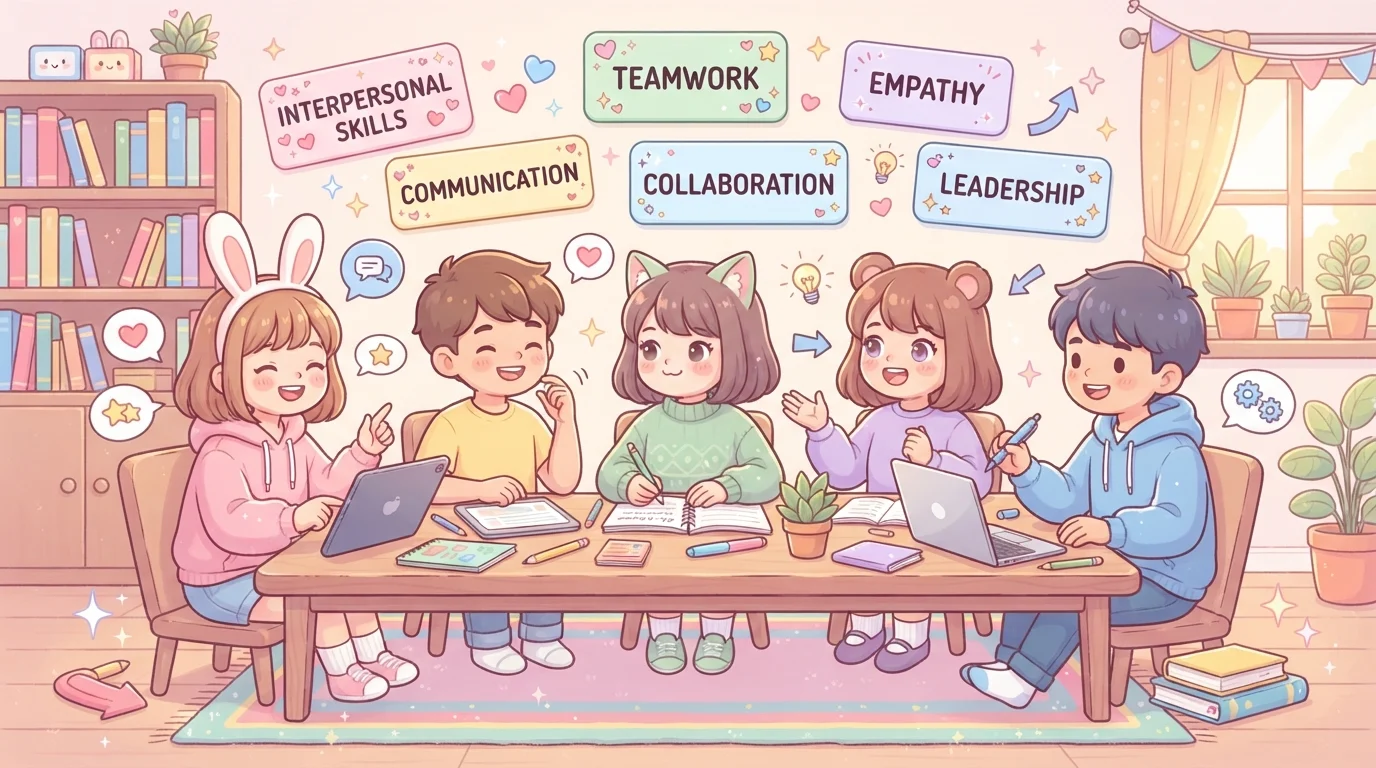
People skills describe the abilities that help someone communicate, cooperate, build relationships, understand others, and interact effectively in different social or professional situations. They are valuable in workplaces, schools, leadership, customer service, teamwork, and everyday relationships.
Useful synonyms and related expressions include interpersonal skills, communication skills, social skills, relationship-building skills, emotional intelligence, teamwork skills, interpersonal abilities, collaboration skills, and people-oriented skills. The best alternative depends on the specific ability you want to describe.
This guide explains the meaning of people skills, useful synonyms, professional alternatives, examples, differences between related terms, and how to choose the right phrase for resumes, interviews, and everyday writing.
Quick Answer
Common synonyms and related terms for people skills include:
- Interpersonal skills
- Social skills
- Communication skills
- Relationship-building skills
- Emotional intelligence
- Teamwork skills
- Collaboration skills
- Interpersonal abilities
- Social intelligence
- People-oriented skills
- Networking skills
- Conflict-resolution skills
- Active listening skills
- Rapport-building skills
- Human relations skills
- Soft skills
- Customer-service skills
- Leadership skills
The most direct professional synonym is usually interpersonal skills.
What Do People Skills Mean?
People skills are abilities that help a person interact successfully with others.
They can include:
- Communicating clearly
- Listening carefully
- Understanding other people’s perspectives
- Cooperating with others
- Building trust
- Resolving disagreements
- Showing empathy
- Working effectively in teams
- Developing professional relationships
- Adapting to different communication styles
Example
Someone with strong people skills may communicate clearly, listen attentively, cooperate with teammates, and handle disagreements respectfully.
Best Synonyms for People Skills
Interpersonal Skills
Interpersonal skills are the abilities used to communicate and interact effectively with other people.
Example:
Strong interpersonal skills help employees build productive workplace relationships.
Best for: Resumes, job applications, interviews, academic writing, and professional communication.
Social Skills
Social skills are abilities that help people interact appropriately and comfortably in social situations.
Example:
Good social skills can help students participate confidently in group activities.
Best for: Education, everyday communication, psychology-related discussions, and general writing.
Communication Skills
Communication skills involve expressing ideas clearly and understanding information from others.
Example:
Excellent communication skills are important for successful teamwork.
Best for: Resumes, careers, business, education, and professional development.
Relationship-Building Skills
Relationship-building skills describe the ability to create and maintain positive relationships.
Example:
Relationship-building skills are valuable for managers and customer-service professionals.
Best for: Leadership, business, networking, sales, and customer service.
Emotional Intelligence
Emotional intelligence refers to abilities involving awareness and management of emotions, along with understanding other people’s emotional perspectives.
Example:
Emotional intelligence can help professionals respond thoughtfully during difficult conversations.
Best for: Leadership, teamwork, management, and professional development.
Teamwork Skills
Teamwork skills describe the ability to cooperate effectively with other people toward a shared goal.
Example:
The position requires strong teamwork skills.
Best for: Resumes, interviews, workplaces, schools, and group projects.
Collaboration Skills
Collaboration skills are abilities that help people work productively with others.
Example:
Her collaboration skills helped the team complete the project efficiently.
Best for: Business, project management, education, research, and resumes.
Social Intelligence
Social intelligence describes the ability to understand social situations and respond appropriately to other people.
Example:
Social intelligence can help leaders navigate complex workplace interactions.
Best for: Leadership, communication, psychology, and professional development.
People-Oriented Skills
People-oriented skills describe abilities focused on interacting with, supporting, and understanding others.
Example:
The position requires strong people-oriented skills.
Best for: Customer service, healthcare, management, sales, and human resources.
Networking Skills
Networking skills involve creating and maintaining professional connections.
Example:
Strong networking skills can help professionals develop valuable career relationships.
Best for: Careers, business, sales, entrepreneurship, and professional development.
Conflict-Resolution Skills
Conflict-resolution skills describe the ability to manage disagreements constructively.
Example:
Managers need strong conflict-resolution skills when handling workplace disagreements.
Best for: Leadership, management, human resources, teamwork, and customer service.
Active Listening Skills
Active listening skills involve paying close attention, understanding what someone says, and responding appropriately.
Example:
Active listening skills are essential for effective customer service.
Best for: Counseling, education, management, healthcare, sales, and communication.
Rapport-Building Skills
Rapport-building skills involve creating a comfortable, trusting, and positive connection with another person.
Example:
The salesperson used strong rapport-building skills when speaking with clients.
Best for: Sales, customer service, leadership, teaching, and interviews.
Human Relations Skills
Human relations skills describe abilities involved in maintaining effective relationships with other people.
Example:
Human relations skills are important for supervisors who manage diverse teams.
Best for: Management, organizational studies, human resources, and professional writing.
Soft Skills
Soft skills are personal and interpersonal abilities that support effective communication, teamwork, adaptability, and professional behavior.
Example:
Employers often look for strong soft skills alongside technical abilities.
Best for: Resumes, career development, employment discussions, and workplace writing.
People Skills vs. Interpersonal Skills
These expressions are very similar.
People skills is a broad, conversational term for abilities used when dealing with others.
Interpersonal skills is the more formal and professional expression.
| People Skills | Interpersonal Skills |
|---|---|
| More conversational | More professional |
| Broad term | Formal term |
| Common in everyday speech | Common in resumes and business |
| Covers many social abilities | Covers interaction and relationships |
Example
Casual:
She has excellent people skills.
Professional:
She has excellent interpersonal skills.
People Skills vs. Social Skills
Social skills generally focus on interacting appropriately and effectively in social situations.
People skills can have a broader professional meaning, including communication, teamwork, leadership, empathy, and relationship management.
For example:
- A student may develop strong social skills.
- A manager may need strong people skills.
There is considerable overlap between the two terms.
People Skills vs. Communication Skills
Communication is an important part of people skills, but the terms are not identical.
Communication skills focus primarily on exchanging information effectively.
People skills can also include:
- Empathy
- Teamwork
- Conflict resolution
- Relationship building
- Cooperation
- Emotional awareness
Therefore, communication skills are one component of broader people skills.
People Skills vs. Emotional Intelligence
Emotional intelligence focuses more specifically on recognizing, understanding, and managing emotions.
People skills cover a broader range of interpersonal abilities.
For example, someone may have strong communication skills without necessarily demonstrating every aspect associated with emotional intelligence.
People Skills for a Resume
If you are describing people skills professionally, interpersonal skills is usually a strong alternative.
Other resume-friendly terms include:
- Communication skills
- Teamwork
- Collaboration
- Relationship management
- Customer-service skills
- Leadership skills
- Conflict-resolution skills
- Active listening
- Emotional intelligence
- Networking skills
Resume Examples
Instead of:
Good people skills
Consider:
Strong interpersonal and communication skills
Or:
Excellent collaboration and relationship-building abilities
Or:
Strong customer-service and conflict-resolution skills
These phrases provide more specific information about what you can do.
People Skills for Interviews
During an interview, you can describe people skills through specific abilities and examples.
Useful phrases include:
- Strong communication abilities
- Effective team collaboration
- Active listening
- Relationship building
- Conflict resolution
- Adaptability
- Empathy
- Customer communication
- Leadership
- Negotiation
Example
Instead of simply saying:
I have good people skills.
You could say:
I communicate clearly, listen carefully, and work well with people who have different perspectives.
This gives a clearer picture of the skill.
Examples of People Skills
People skills can include many different abilities:
- Active listening
- Clear communication
- Empathy
- Teamwork
- Collaboration
- Patience
- Adaptability
- Respect
- Conflict resolution
- Negotiation
- Leadership
- Networking
- Relationship building
- Customer service
- Emotional awareness
- Problem-solving
- Cooperation
- Persuasion
Professional Alternatives to “Good People Skills”
Instead of saying good people skills, consider:
- Strong interpersonal skills
- Excellent communication abilities
- Effective relationship-building skills
- Strong collaboration skills
- Excellent teamwork abilities
- Strong emotional intelligence
- Effective conflict-resolution skills
- Strong customer-service abilities
- Excellent networking skills
- Effective interpersonal communication
Being specific makes professional writing stronger and more informative.
Common Mistakes
Treating people skills as one single ability
People skills are actually a collection of abilities.
They can include communication, listening, teamwork, empathy, relationship building, and conflict resolution.
Using “social skills” in every professional situation
Social skills is correct in many contexts, but interpersonal skills often sounds more appropriate in professional writing.
Using vague resume language
Simply writing:
Excellent people skills
does not explain what you can actually do.
A more specific statement is:
Strong interpersonal communication, active listening, and conflict-resolution skills.
How to Choose the Right Synonym
Use interpersonal skills for a professional and broadly applicable term.
Use social skills when discussing general social interaction.
Use communication skills when emphasizing speaking, writing, listening, or information exchange.
Use teamwork skills when emphasizing cooperation within a group.
Use collaboration skills when emphasizing working with others on shared tasks.
Use emotional intelligence when emphasizing emotional awareness and interpersonal understanding.
Use relationship-building skills when emphasizing trust and long-term connections.
Use networking skills when discussing professional connections.
Use conflict-resolution skills when emphasizing the ability to handle disagreements.
Use customer-service skills when people skills are specifically related to helping customers.
Related Words to People Skills
Related terms include:
- Interpersonal
- Communication
- Cooperation
- Collaboration
- Teamwork
- Empathy
- Leadership
- Networking
- Negotiation
- Listening
- Rapport
- Relationship
- Adaptability
- Emotional intelligence
- Social intelligence
- Soft skills
- Customer service
Antonyms of People Skills
There is no single exact antonym for people skills, but contextually opposite qualities may include:
- Poor communication
- Social difficulty
- Uncooperative behavior
- Inflexibility
- Isolation
- Poor listening
- Interpersonal conflict
- Lack of empathy
- Communication barriers
These describe difficulties with interpersonal interaction rather than being exact dictionary opposites.
Frequently Asked Questions
What is the best synonym for people skills?
Interpersonal skills is usually the best professional synonym. It is especially suitable for resumes, interviews, business writing, and job applications.
What is another word for people skills on a resume?
Good alternatives include interpersonal skills, communication skills, collaboration skills, teamwork skills, relationship-building skills, and emotional intelligence.
Are people skills and interpersonal skills the same?
They are very similar. People skills is more conversational, while interpersonal skills is more formal and commonly used in professional contexts.
What are examples of people skills?
Examples include communication, active listening, teamwork, empathy, collaboration, relationship building, conflict resolution, networking, and adaptability.
Is communication a people skill?
Yes. Communication is one of the most important components of people skills because effective interaction depends on exchanging and understanding information.
What is a professional way to say “good with people”?
You can say “strong interpersonal skills,” “excellent communication abilities,” “effective relationship-building skills,” or “strong collaboration skills.”
Are people skills soft skills?
Yes. People skills are generally considered a category of soft skills because they involve interpersonal communication, cooperation, relationships, and professional behavior.
Final Thoughts
People skills describe a broad collection of abilities that help individuals communicate, cooperate, understand others, and build positive relationships. The most direct professional synonym is interpersonal skills, but terms such as communication skills, collaboration skills, teamwork skills, emotional intelligence, and relationship-building skills can be more precise depending on the situation.
For resumes and professional writing, specific skill names are often more informative than simply saying “good people skills.” Choosing the right term allows you to communicate your abilities clearly and naturally.
I’m Joseph Davis, a language enthusiast passionate about synonyms and clear communication. I enjoy simplifying vocabulary, exploring word meanings, and creating helpful content that makes writing more engaging, accurate, and confident.